
Solar Energy Systems Explained: Cost, Logic, Efficiency, and Whether They’re Really Worth It
Solar energy has transformed from a futuristic concept into one of the most practical, scalable, and widely adopted energy solutions in the world. Today, homes, businesses, factories, and even entire cities increasingly rely on solar power to reduce energy bills, gain independence from traditional grids, and move toward a more sustainable future.
But before investing in a solar system, most people ask the same questions:
How do solar systems really work?
Are they actually efficient?
How much do they cost?
When do they pay themselves back?
Are they worth it in the long run?
Let’s break down how solar systems operate, their efficiency logic, real-world performance, and cost dynamics in a clear and realistic way.
How Solar Energy Systems Actually Work
At its core, a solar energy system is surprisingly simple in concept, even though the technology behind it is advanced.
1️⃣ Solar Panels Capture Sunlight
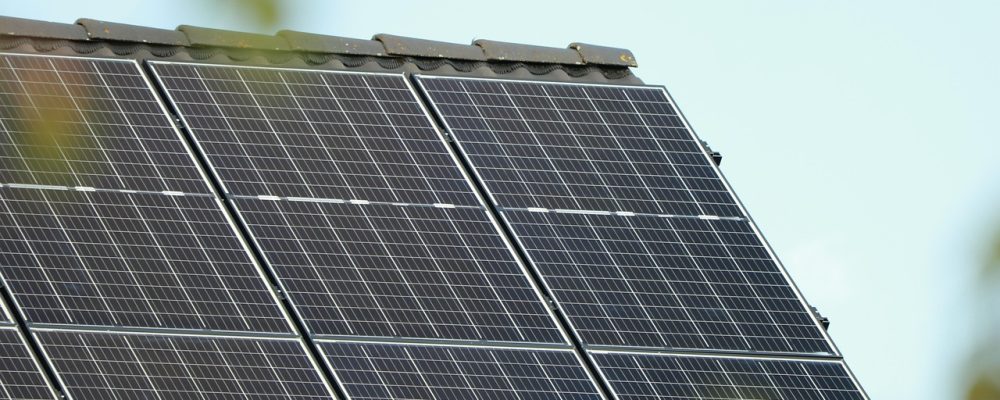
Solar panels are made from photovoltaic (PV) cells, usually silicon. These cells absorb sunlight and convert it into direct current (DC) electricity using the photovoltaic effect.
More sunlight = more power.
2️⃣ The Inverter Converts DC to AC
Homes and most electrical devices run on alternating current (AC), not DC.
So, the DC electricity generated by the panels goes into an inverter, which converts it into usable AC power.
There are three main types of inverters:
String inverters
Microinverters
Hybrid / smart inverters
3️⃣ Power Distribution
Once converted to AC, the electricity can:
Directly power your home
Charge batteries
Be sent to the grid (in grid-tied systems)
Or a combination of these options
4️⃣ Optional: Battery Storage
If you install a battery, excess energy during the day gets stored and can be used:
At night
During power outages
When electricity prices are high
Batteries make solar systems smarter, but they also add significant cost.

Types of Solar Energy Systems
There are three main system designs:
✔️ On-Grid (Grid-Tied)
Connected to the utility grid.
Cheapest system type
No battery required
You can sell extra electricity in some countries
But if the grid goes down, the system usually shuts off for safety.
✔️ Off-Grid
Completely independent from the grid.
Requires large battery storage
Often combined with generators
More expensive but total independence
Used in remote locations where electricity access is limited or unavailable.
✔️ Hybrid Systems
Best of both worlds:
Connected to the grid
Includes battery storage
Can operate during grid failures
Most modern residential setups now lean toward hybrid systems.

How Efficient Are Solar Panels Really?
Efficiency is one of the biggest misconceptions about solar energy. Many assume:
“If it’s cloudy, solar doesn’t work.”
Or:
“Panels only produce meaningful energy in very sunny countries.”
Reality looks different.
Modern Solar Panel Efficiency Rates
Typical residential solar panel efficiency today:
👉 18% – 24%
Premium, high-end panels can push beyond 25% under ideal lab conditions.
Efficiency simply means:
How much of the sunlight hitting the panel becomes usable electricity.
Higher efficiency = More power from smaller space.

Do Solar Panels Work on Cloudy or Rainy Days?
Yes, they still produce power.
On average:
Cloudy day → 30% to 60% production
Rainy day → 10% to 30% production
Night → 0% (unless batteries store energy)
Even countries like Germany and the UK, not known for intense sunlight, run massive solar infrastructures successfully.
Do Solar Panels Lose Efficiency Over Time?
Yes, but slowly.
Most manufacturers guarantee:
About 80–90% performance after 20–25 years
This is called degradation rate, typically around:
👉 0.3% – 0.8% per year
Meaning:
Your system still works after decades, just with slightly less power output.
The Cost of Solar Energy Systems
Now to the most asked question:
“How much does solar cost?”
The answer depends on:
Country
Energy costs
System size
Whether you include batteries
Installation complexity
Government incentives
But we can talk general logic.
Do Solar Panels Lose Efficiency Over Time?
Yes, but slowly.
Most manufacturers guarantee:
About 80–90% performance after 20–25 years
This is called degradation rate, typically around:
👉 0.3% – 0.8% per year
Meaning:
Your system still works after decades, just with slightly less power output.

What Determines Solar System Price?
Main cost elements include:
Solar panels
Inverter or microinverters
Mounting & installation hardware
Wiring and safety equipment
Battery (optional, but expensive part)
Labor & permits
Do Solar Systems Pay for Themselves?
Yes — solar is not an expense, it’s an investment.
Solar saves money by:
Reducing electricity bills
Eliminating electricity bills (in some setups)
Allowing energy selling in certain countries
Protecting against rising electricity costs
Increasing property value

Payback Period: When Does Solar Start Making Profit?
This is called ROI (Return on Investment).
Average payback period:
👉 4 to 10 years depending on region and electricity price.
After that point, most of the energy your system generates is basically free.
In regions with very expensive electricity, payback can be much faster.
In regions with cheap electricity, it may take longer.
If your country allows:
Net metering
Energy buyback programs
Feed-in tariffs
Payback becomes even quicker.
Battery Cost vs Benefit — Is It Worth Adding One?
Batteries dramatically transform a solar system, but they’re the costliest component.
Benefits
Power at night
Security during blackouts
Energy independence
Better self-consumption
Can reduce peak electricity charges
Downsides
High upfront cost
Maintenance considerations
Lifespan shorter than panels (usually 8–15 years)
If your electricity is:
Very expensive
Unreliable
Or you value independence
Then a battery is absolutely worth it.
If your grid is cheap and stable, maybe not necessary.
How Much Space Do Solar Panels Need?
On average:
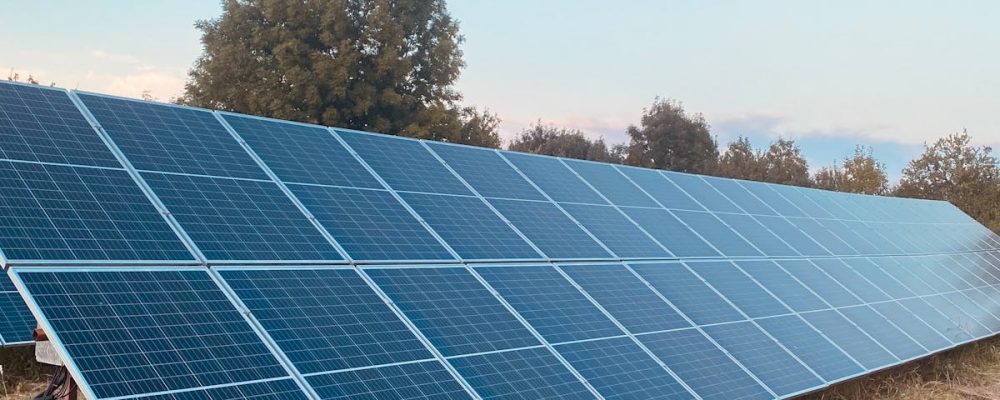
1 kW solar needs ~5–6 m² of roof space.
A typical home system:
4kW – 10kW
meaning:
20–60 m² roof area required depending on panel efficiency.
Orientation matters too:
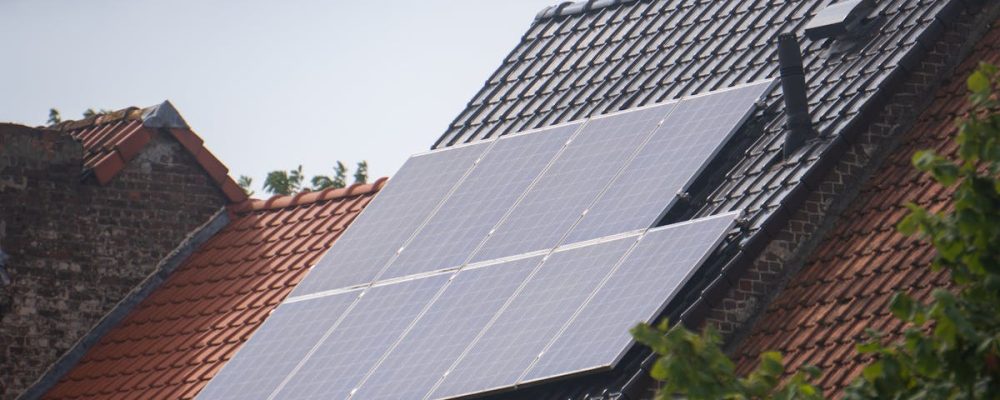
South-facing roofs (in Northern Hemisphere) = best
Tilt angle improves efficiency
Shade significantly reduces output
Maintenance: Are Solar Systems Hard to Look After?
Not really.
Solar panels:
Have no moving parts
Rarely break
Usually require only cleaning 1–2 times a year
Occasional inspection recommended
Inverters last:
👉 About 8–15 years
Batteries:
👉 8–15 years depending on usage
Panels:
👉 25+ years
So yes — long-term reliability is very strong.
Environmental Benefit — Does Solar Actually Help the Planet?
Absolutely.
Solar energy:
Produces zero emissions during operation
Reduces dependence on fossil fuels
Lowers global pollution
Reduces grid pressure and blackouts
Supports sustainability goals
Manufacturing panels does require energy, but numerous studies confirm:
Panels repay their manufacturing energy footprint within:
👉 1–3 years
After that, it’s pure clean power.
So… Is Solar Energy Really Worth It?
In most cases: Yes. Strongly yes.
Solar systems offer:
✔ Reduced electricity bills
✔ Long-term stability
✔ Energy independence
✔ Property value increase
✔ Environmental benefit
✔ Protection against rising electricity prices
Whether for homes, industry, or commercial use, solar isn’t just a “green choice” anymore — it is often the smartest financial decision too.
And the best part?
Solar technology keeps getting cheaper, smarter, and more efficient every year.

Conclusion
Solar energy systems are no longer experimental technology. They’re mature, reliable, and increasingly essential in a world where energy costs fluctuate and environmental concerns grow.
Understanding how they work, what they cost, how efficient they are, and when they truly become profitable helps you make a confident and realistic decision.
If you’re considering solar, the smartest move is to:
Check your sunlight potential
Estimate your electricity usage
Compare on-grid, off-grid, and hybrid options
Calculate cost vs savings using reliable tools