
What Is Grounding (Earthing) and Why It Literally Saves Lives?
Most people flip a switch, plug in a device, or charge their phone every day without ever thinking about the silent system standing between them and death: grounding, also known as earthing. It’s one of the most fundamental safety principles in electrical engineering, yet it often works quietly in the background — unseen, unnoticed, but absolutely life-saving.
So, what exactly is grounding, how does it work, and why is it so critical in modern electrical systems? Let’s break it down in a simple but engineering-accurate way.
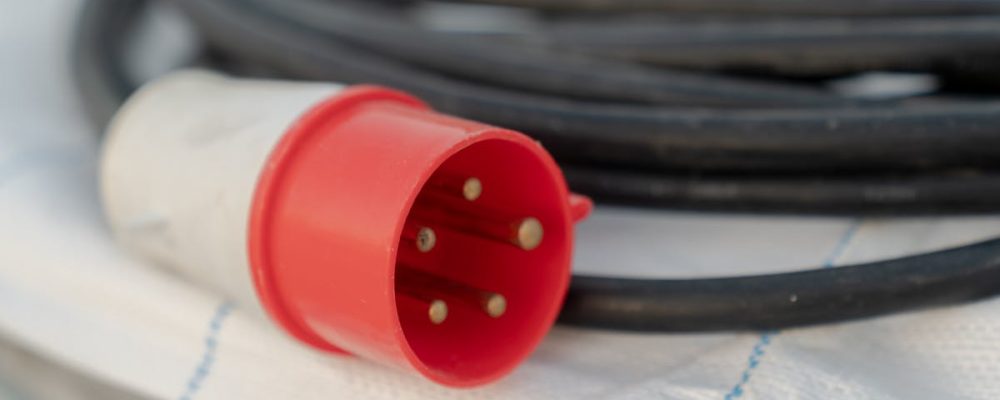
What Is Grounding?
Grounding is the process of connecting the electrical system to the Earth (yes, literally the ground beneath your feet) using a conductive path such as copper rods, metal plates, or grounding grids.
Why Earth?
Because the Earth acts like a massive electrical reservoir. It can absorb large amounts of electrical energy safely. When something goes wrong — like insulation failure, a damaged wire, or a fault current — electricity needs somewhere to escape without passing through you. That “somewhere” is the ground.
In short:
Grounding = A safe escape route for dangerous electricity.
What Happens Without Grounding?
Imagine touching a metal appliance with a hidden internal fault. Without grounding, your body becomes the pathway for electricity to flow to Earth. That means severe shock, burns, heart rhythm failure, or even death.
With grounding in place, the fault current instantly travels into the Earth instead of through you. Meanwhile, protection systems like fuses and breakers sense the abnormal current and disconnect the circuit.
Grounding literally decides whether an accident becomes a shock… or nothing happens at all.

Why Grounding Is Essential in Electrical Systems
✅ 1. Protects Human Life
This is the biggest reason grounding exists. When faults occur:
The metal body of appliances stays at safe potential
Fault current finds a low-resistance path
Users stay safe
Instead of your heart completing the circuit, the ground does.
✅ 2. Prevents Electrical Fires
Fault currents generate massive heat. Without grounding, this heat builds inside cables, outlets, and equipment, eventually causing:
Melting wires
Burning insulation
House or building fires
Grounding ensures the fault is discharged instantly, reducing overheating and fire risk.
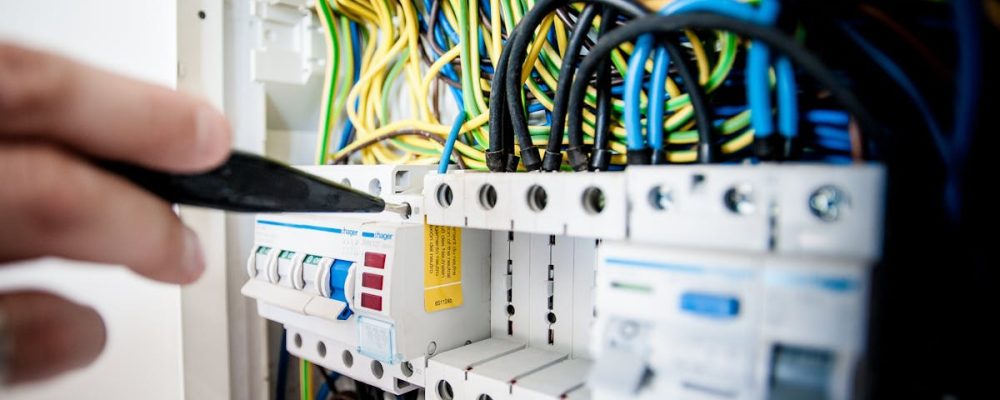
✅ 3. Stabilizes Voltage Levels
Grounding keeps voltage levels steady and predictable. Without grounding:
Voltage can fluctuate unpredictably
Sensitive electronics can get damaged
Systems can behave dangerously
Proper earthing helps maintain a reference point for the system, keeping things stable and controlled.
✅ 4. Protects Equipment and Electronics
Modern devices are sensitive. Even minor voltage spikes can destroy:
Computers
Medical devices
Communication systems
Industrial equipment
Grounding safely drains transient spikes, lightning effects, and static discharge, extending equipment life.
How Does Grounding Actually Work?
When a fault occurs:
1️⃣ Fault current touches the metal body or exposed part
2️⃣ Grounding wire conducts it to Earth
3️⃣ Current increases suddenly
4️⃣ Circuit breaker or fuse detects abnormal current
5️⃣ Power shuts off before harm occurs
No drama, no shock, no fire — just silent protection.
Types of Grounding You’ll Commonly See
🟢 System Grounding
Used in power systems like transformers and distribution networks to keep voltages balanced and safe.
🟢 Equipment Grounding
Used in homes, industries, and buildings. This is the grounding wire connected to appliances and outlet grounding pins.
🟢 Lightning Protection Grounding
Used to safely discharge lightning strikes to the Earth, preventing building damage and explosions.
Why You Should Care — Even If You’re Not an Engineer
Because grounding protection exists everywhere around you:
Your home electrical outlets
Your washing machine and refrigerator
Industrial machines
Hospitals
Airports
Data centers
Electric vehicle charging systems
Every safe electrical system has grounding behind it. Anywhere grounding is missing, lives are at risk.
Common Myths About Grounding
❌ “Ground is only for lightning”
No, lightning is just one scenario. Grounding primarily protects people and equipment from everyday faults.
❌ “If the device works, grounding isn’t important”
Devices work fine without grounding — until something goes wrong. Grounding is about safety, not operation.
❌ “Shock only happens with high voltage”
Even household voltage is deadly. Grounding makes everyday electricity survivable.

Conclusion
Grounding isn’t a small engineering detail — it’s one of the most important safety systems ever created. It prevents electric shocks, stops fires, protects expensive equipment, stabilizes electrical systems, and most importantly, saves lives every single day without most people even noticing.
So next time you see that third pin in a plug or a thick copper cable buried in the earth, know that it’s not “extra wiring.” It’s the silent guardian that keeps the modern world safe.