
Nuclear Energy: Should We Fear It or Is It Actually Beneficial?
Few energy topics spark as much debate as nuclear power. For some people, it represents danger, radiation, disasters, and something we should stay far away from. For others, nuclear energy is one of humanity’s most powerful tools: extremely efficient, low-carbon, and a potential savior against climate change.
So, who is right? Is nuclear energy something to fear, or is it one of the most beneficial energy sources available today?
Let’s break it down clearly, without exaggeration or drama—just science, engineering, and real-world facts.
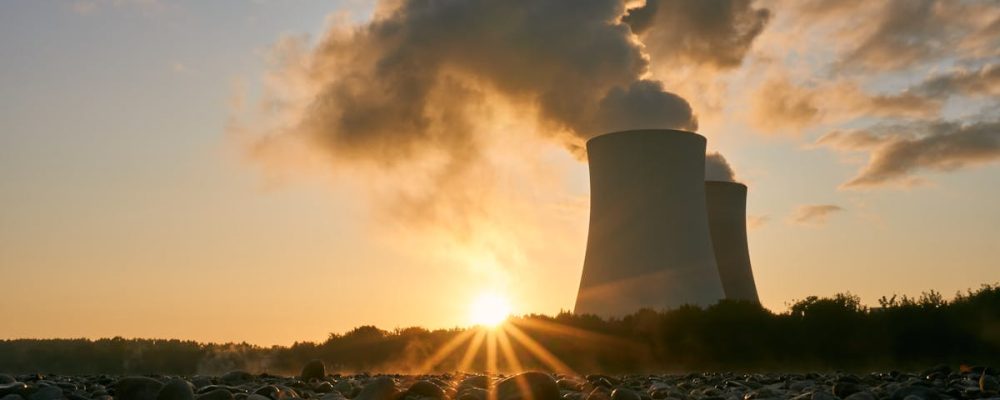
⭐ What Exactly Is Nuclear Energy?
Nuclear energy comes from the nucleus of an atom. Instead of burning fuel like coal or natural gas, nuclear power plants use a process called nuclear fission.
In nuclear fission:
Uranium fuel rods are placed in a reactor
Neutrons hit uranium atoms
Atoms split
Huge energy is released as heat
That heat:
Boils water
Produces steam
Spins turbines
Generates electricity
So, even though “nuclear” sounds complicated, the basic idea is similar to other power plants: create heat → produce steam → spin turbines → make electricity.
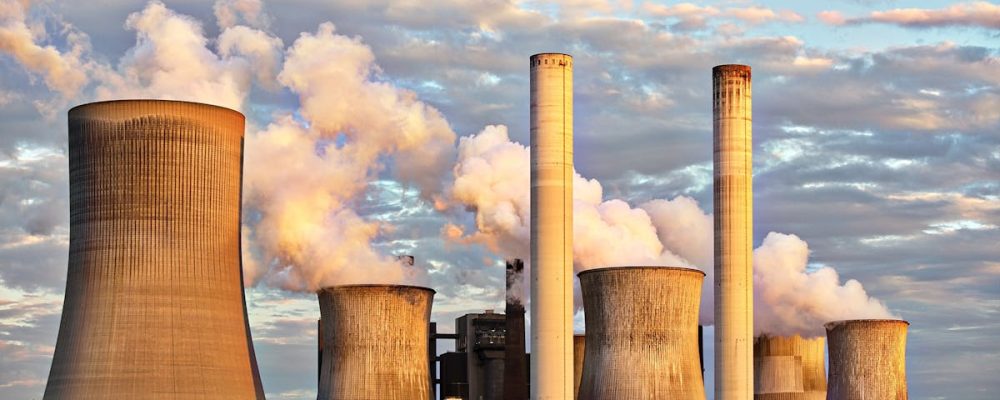
⚡ Why Do Some People Support Nuclear Energy?
There are very strong reasons why many engineers, scientists, and governments defend nuclear power.
🔋 1️⃣ Nuclear Energy Is Extremely Powerful and Efficient
Nuclear power packs an unbelievable punch.
A tiny amount of uranium produces massive energy
Much more than coal, gas, or oil
Much more efficient than renewable sources like wind or solar on a per-fuel basis
For example:
1 kg of uranium can generate as much energy as 1,500 tons of coal
Or nearly 14,000 liters of oil
This is why nuclear plants can continuously generate massive electricity for entire cities.
🌍 2️⃣ Nuclear Energy Is Low-Carbon
Here’s the part many people misunderstand:
Nuclear power does not emit CO₂ during electricity generation.
Compared to fossil fuels:
Coal = very high emissions
Natural gas = medium emissions
Nuclear = extremely low emissions
Nuclear energy is actually comparable to renewables in terms of life-cycle emissions.
So if the world wants:
Cleaner air
Less climate damage
Reduced reliance on fossil fuels
Nuclear energy is a huge advantage.
🔄 3️⃣ Nuclear Energy Is Stable and Reliable
Unlike some renewable sources, nuclear power doesn’t depend on:
Weather
Sunlight
Wind
Nuclear plants run 24/7, known as baseload power.
That means:
Stable electricity supply
No sudden energy drops
Reduced blackout risk
Countries like France rely heavily on nuclear, and their power grids are among the most stable and clean in the world.
💼 4️⃣ Economic and Industrial Benefits
Nuclear power plants:
Create thousands of high-skill engineering jobs
Support local economies
Stimulate industrial growth
They also contribute to technological advancement in:
Materials engineering
Robotics
Safety systems
Energy innovation
😨 So Why Are People Afraid of Nuclear Energy?
Fear doesn’t appear out of nowhere. Nuclear energy has a history—and not all of it good.
☢️ 1️⃣ Nuclear Disasters in History
When people hear “nuclear,” three names immediately appear in their minds:
Chernobyl (1986)
Soviet-era reactor
Poor design
Human error
Zero modern safety culture
Massive explosion
Large radiation release
Fukushima (2011)
Triggered by massive earthquake and tsunami
Flooded cooling systems
Radiation release occurred
However, modern containment prevented Chernobyl-level catastrophe
Three Mile Island (1979)
Reactor malfunction
Partial meltdown
Contained
No major radiation exposure to public
These events shaped nuclear fear worldwide.
But here is the important engineering reality:
Nuclear technology has evolved massively since those disasters.
Modern reactors:
Have multiple redundant safety systems
Passive cooling systems
Automatic shutdown technology
Much stronger containment structures
The industry today is not the same as 40 years ago.

☠️ 2️⃣ Radiation Fear
Radiation sounds terrifying because:
It’s invisible
It’s associated with cancer
It reminds people of nuclear weapons
But nuclear power plant radiation is:
Highly controlled
Shielded
Regulated
Everyday life exposes us to radiation constantly:
Sunlight
Airplane flights
Medical X-rays
Soil and rocks
Radiation risk exists, yes—but in regulated modern plants, it is much lower than people assume.
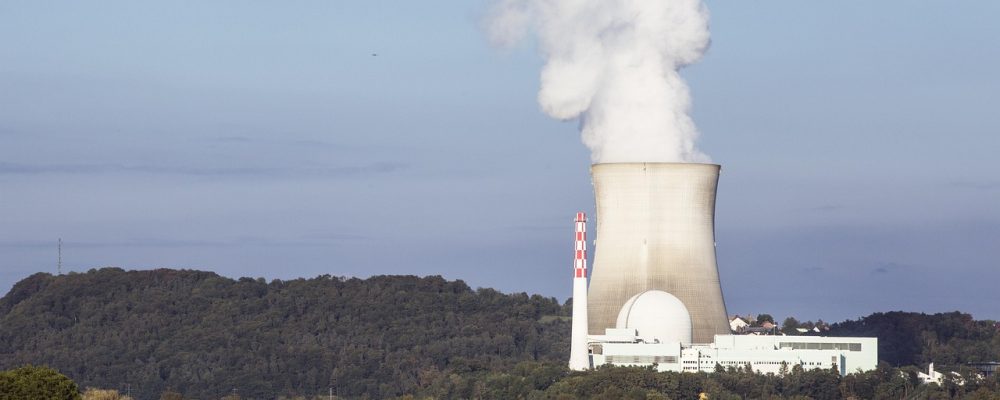
🗑️ 3️⃣ Nuclear Waste Problem
Nuclear waste is often used as a main argument against nuclear energy.
Reality:
Nuclear waste volume is much smaller than people imagine
It is stored in shielded, secure containers
It remains dangerous for a long time, yes, but it is carefully managed
Some countries recycle nuclear waste for reuse
New reactor designs may dramatically reduce waste
Compare this with fossil fuel waste:
Air pollution kills millions every year
CO₂ remains in the atmosphere and affects the entire planet
Fossil waste is uncontrolled and widespread
Nuclear waste is dangerous but contained.
Fossil fuel waste is less scary sounding but far more deadly and uncontrolled.
💣 Nuclear Energy vs Nuclear Weapons – Big Difference
Many fears come from confusing nuclear power with nuclear bombs.
They are completely different things:
Power plants use controlled fission
Weapons use uncontrolled chain reactions
Reactor fuel is not the same as weapon-grade material
International regulations prevent weaponization
So “nuclear plant = bomb” is a myth.
🧠 Modern Nuclear Technology is Safer Than Ever
Today’s reactors include:
Generation III and III+ reactors
Passive safety systems
Automatic emergency shutdown
Advanced cooling methods
Digital monitoring
Future technologies like:
Small Modular Reactors (SMRs)
Fusion reactors (still developing)
Promise even safer and more efficient performance.
🌱 Nuclear Energy vs Renewable Energy
So, should we abandon renewables and only use nuclear?
Absolutely not.
The smartest energy future is a hybrid system:
Renewables like wind and solar for clean dynamic power
Nuclear for stable, constant baseload
Storage systems to balance supply
Nuclear energy is not the enemy of renewable energy.
They can work together.
🧾 So… Should We Fear Nuclear or Embrace It?
The honest conclusion:
We should respect nuclear energy, not fear it blindly.
Yes:
It requires strong regulation
It needs responsible governments
It must never sacrifice safety
Waste must continue being managed carefully
But also yes:
It is powerful
It is clean
It is efficient
It can help fight climate change
It can power future technology and civilization
Fear usually comes from misunderstanding.
When you replace fear with knowledge, nuclear energy looks far less like a monster—and much more like a powerful engineering achievement that, when handled correctly, benefits humanity.

✅ Conclusion
Nuclear energy is not perfect, but no energy system is. What makes nuclear different is its enormous power, low emissions, and ability to provide continuous reliable electricity on a massive scale.
Instead of asking, “Should we fear nuclear energy?”, the better question is:
How can we use it responsibly, safely, and intelligently to power our future?
Because with modern technology, strict regulations, constant monitoring, and better public understanding, nuclear energy may be not something to fear… but something to rely on.