
What Makes Earthquake-Resistant Buildings Different?
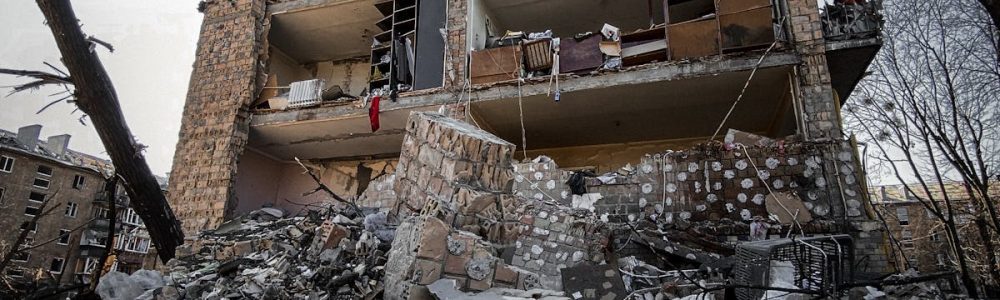
Earthquakes are among the most destructive natural forces on Earth. In a matter of seconds, they can turn entire cities into rubble. Yet, when we look closely at major earthquakes around the world, we notice something interesting: some buildings collapse, while others remain standing with little to no damage.
This raises an important question:
What makes earthquake-resistant buildings different?
The answer lies in engineering, physics, smart design choices, and a deep understanding of how structures interact with seismic forces. In this article, we explore the real science behind earthquake-resistant buildings and why they behave so differently during seismic events.

Understanding What an Earthquake Really Does to a Building
An earthquake does not simply shake the ground up and down. Instead, it sends seismic waves that move the ground horizontally, vertically, and rotationally.
These ground motions create:
Lateral forces
Rapid accelerations
Repeated back-and-forth movement
Buildings are not damaged because they are heavy — they are damaged because they cannot handle these sudden dynamic forces.
The Core Idea: Flexibility Over Strength
One of the biggest misconceptions is that earthquake-resistant buildings are “stronger” or “harder.”
In reality, they are more flexible.
Rigid structures resist movement, which causes:
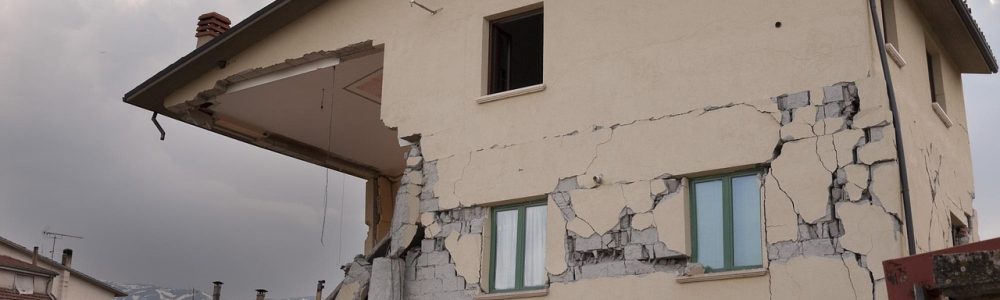
Cracking
Brittle failure
Sudden collapse
Earthquake-resistant buildings are designed to:
Bend without breaking
Absorb energy
Dissipate seismic forces gradually
Flexibility saves lives.

Base Isolation: Letting the Ground Move Without the Building
One of the most effective earthquake-protection techniques is base isolation.
How base isolation works:
The building is separated from the ground using rubber bearings or sliding systems
During an earthquake, the ground moves — but the building moves much less
Seismic energy is absorbed before reaching the structure
Base isolation is commonly used in:
Hospitals
Bridges
Government buildings
Critical infrastructure
It essentially allows the building to “float” during an earthquake.
Energy Dissipation Systems: Turning Motion Into Heat
Another major difference is the use of dampers, similar to shock absorbers in cars.
Types of dampers:
Viscous dampers
Friction dampers
Tuned mass dampers
These devices:
Absorb seismic energy
Reduce vibration amplitude
Convert kinetic energy into heat
Instead of transferring earthquake energy into columns and beams, the building safely dissipates it.
Ductile Materials: Bending Without Failing
Material choice plays a massive role in earthquake resistance.
Ductile materials include:
Structural steel
Reinforced concrete with proper detailing
Engineered timber systems
Ductility allows materials to deform significantly before failure, providing:
Warning before collapse
Energy absorption
Structural redundancy
Poorly reinforced concrete, on the other hand, is brittle and fails suddenly.
Smart Structural Design and Load Paths
Earthquake-resistant buildings are designed with clear and continuous load paths.
This means:
Forces are transferred smoothly from floors → beams → columns → foundation
No sudden changes in stiffness
No weak links
Engineers avoid:
Soft stories
Irregular shapes
Large overhangs
Because irregular structures experience uneven stress during earthquakes.

The Problem With Soft-Story Buildings
A soft-story building has one level that is much weaker than the others, often due to:
Open parking floors
Large glass storefronts
Fewer structural walls
During an earthquake:
The soft story collapses first
Upper floors pancake downward
Modern seismic codes strictly limit soft-story designs.
Shear Walls: The Backbone of Seismic Resistance
Shear walls are vertical structural elements designed to resist horizontal forces.
They:
Increase lateral stiffness
Reduce excessive sway
Protect columns from overload
Materials used for shear walls:
Reinforced concrete
Steel plates
Engineered wood panels
Strategically placed shear walls dramatically improve building performance during earthquakes.
Moment-Resisting Frames: Controlled Bending
Moment-resisting frames allow joints to bend while remaining intact.
These frames:
Use rigid beam-column connections
Allow controlled deformation
Prevent collapse even under large displacements
This design philosophy accepts damage — but prevents failure.
Foundation Design: The Hidden Hero
Even the best superstructure will fail if the foundation is poorly designed.
Earthquake-resistant foundations consider:
Soil type
Liquefaction risk
Ground amplification
Engineers may use:
Deep piles
Soil improvement techniques
Raft foundations
The goal is to ensure stable force transfer to the ground.

Seismic Codes and Why They Matter
Modern earthquake-resistant buildings follow strict seismic design codes.
These codes:
Define expected ground acceleration
Specify material requirements
Enforce redundancy and safety factors
Importantly, seismic codes do not aim to make buildings “damage-free.”
They aim to prevent collapse and save lives.
Why Older Buildings Perform Worse
Many collapsed buildings were designed:
Before modern seismic codes
Without ductile detailing
Using outdated materials
Retrofitting older buildings with:
Steel bracing
Shear walls
Base isolators
can significantly improve their seismic performance.

Why Skyscrapers Often Survive Earthquakes
Tall buildings may look fragile, but they often perform well because:
They are flexible
They sway instead of resisting movement
They use advanced damping systems
Height is not the enemy — poor design is.
Technology and Simulation in Modern Seismic Design
Engineers now use:
Finite element analysis
Earthquake simulations
Shake-table testing
These tools allow buildings to be tested against thousands of earthquake scenarios before construction even begins.

Earthquake Resistance Is About Smart Failure
A key concept in seismic engineering is controlled damage.
Earthquake-resistant buildings are designed so that:
Non-critical components fail first
Main structural elements remain intact
Occupants have time to evacuate
Damage is acceptable. Collapse is not.
Conclusion: Engineering That Saves Lives
Earthquake-resistant buildings are not miracles — they are the result of physics, material science, and intelligent engineering.
They survive not by fighting earthquakes, but by working with them.
Flexibility, energy absorption, ductility, and smart design choices make all the difference between collapse and survival.
In seismic engineering, the goal is simple yet powerful:
Buildings may crack, but people must walk away alive.
