How Airplanes Stay in the Sky: The Real Science Behind Flight
Every time we look up and see a massive airplane calmly cruising through the sky, one question naturally comes to mind: How does something so heavy stay in the air?
To many people, flight seems almost magical. Thousands of tons of metal, fuel, passengers, and cargo moving effortlessly above the ground. But the truth is far more fascinating than magic. Flight is the result of carefully applied physics, advanced engineering, and decades of scientific refinement.
This article breaks down how airplanes stay in the sky, using clear explanations without oversimplifying the real science behind flight.

The Four Fundamental Forces of Flight
Every airplane in the sky is constantly interacting with four main forces. Understanding flight starts with understanding how these forces work together.
Lift – The force that pushes the airplane upward
Weight (Gravity) – The force pulling the airplane toward Earth
Thrust – The force that moves the airplane forward
Drag – The force that resists the airplane’s motion through air
For an airplane to stay airborne, lift must be greater than weight, and thrust must overcome drag. Everything else in aircraft design exists to balance these four forces efficiently.

What Is Lift, Really?
Lift is the most misunderstood concept in aviation. Many people believe that lift is created only because air moves faster over the top of the wing. While this explanation is partially true, it doesn’t tell the full story.
Lift is produced when a wing forces air downward. According to Newton’s Third Law of Motion, every action has an equal and opposite reaction. When a wing deflects air downward, the air pushes the wing upward.
This downward deflection of air is called downwash, and it plays a critical role in generating lift.
Wing Shape: The Airfoil
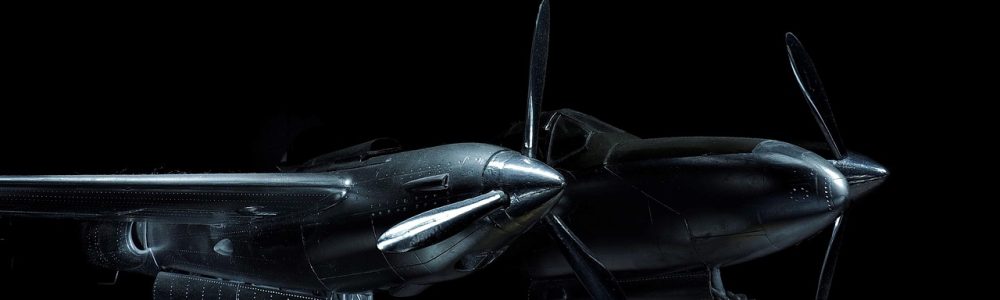
Airplane wings are not flat. They are carefully shaped structures called airfoils.
Key features of an airfoil:
Curved upper surface
Flatter lower surface
Tapered trailing edge
Smooth leading edge
This shape allows the wing to manipulate airflow efficiently, creating pressure differences and directing air downward.

Bernoulli’s Principle vs Newton’s Laws
You’ve probably heard that airplanes fly because air moves faster over the top of the wing, creating lower pressure. This idea comes from Bernoulli’s Principle, which states that faster-moving fluids exert less pressure.
While Bernoulli’s principle plays a role, it cannot explain flight on its own.
The full explanation combines:
Bernoulli’s Principle (pressure differences)
Newton’s Laws (momentum exchange and reaction forces)
Airplanes fly because wings accelerate air downward and backward, creating an upward force on the wing.
Angle of Attack: The Real Key to Lift
One of the most important variables in flight is the angle of attack.
The angle of attack is the angle between:
The wing’s chord line
The oncoming airflow
As the angle of attack increases, lift increases—up to a point. Beyond a certain angle, airflow separates from the wing, causing a stall.
Lift depends on:
Airspeed
Air density
Wing surface area
Angle of attack
Even a flat wing can generate lift if it is angled correctly into the airflow.

Why Speed Matters So Much
Airplanes need speed to fly because lift increases with airspeed. Faster-moving air means more momentum change, which increases lift.
This is why:
Airplanes accelerate down a runway before takeoff
Longer runways are needed for heavier aircraft
Aircraft struggle in high-altitude airports where air density is lower
At higher altitudes, air is thinner, so airplanes must fly faster to produce the same amount of lift.
How Engines Contribute to Flight
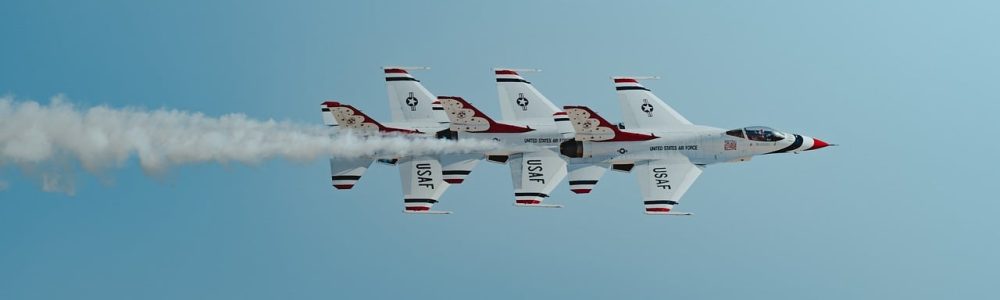
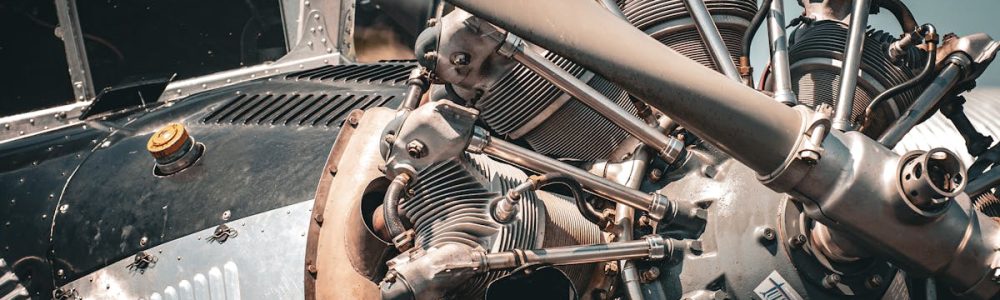
Engines do not directly create lift, but they are essential for maintaining it.
Jet engines:
Accelerate air backward
Produce thrust using Newton’s Third Law
Allow aircraft to reach and maintain flying speed
Without thrust, an airplane will slow down, lose lift, and eventually descend.
The Role of Flaps and Slats
During takeoff and landing, airplanes use devices called flaps and slats to increase lift at lower speeds.
These components:
Increase wing surface area
Change airflow behavior
Allow higher angles of attack without stalling
This is why airplanes can take off and land safely at speeds much lower than cruising speed.
Why Airplanes Don’t Fall When Engines Fail
One of the most surprising facts about aviation is that airplanes can still fly without engines.
When engines stop:
The airplane becomes a glider
Lift continues as long as airspeed is maintained
Pilots trade altitude for speed
Modern aircraft are designed to glide long distances safely in emergencies.

Stability and Control Surfaces
Airplanes don’t just need to fly—they need to be controllable.
Control surfaces include:
Ailerons (roll control)
Elevators (pitch control)
Rudder (yaw control)
These surfaces adjust airflow in precise ways, allowing pilots to maneuver safely in three dimensions.
Why Wings Are Mounted Differently on Different Aircraft
You may notice that some aircraft have wings mounted high, while others have them low.
High-wing aircraft offer better stability and visibility
Low-wing aircraft provide better maneuverability and performance
Each design choice is based on aerodynamic efficiency and mission requirements.

Modern Flight Computers and Automation
Today’s airplanes rely heavily on advanced software.
Flight computers:
Monitor airspeed, altitude, and angle of attack
Prevent unsafe maneuvers
Assist pilots with stability and efficiency
Despite automation, the core physics of flight remains unchanged.
Common Myths About Flight
“Airplanes are held up by suction.”
False. Lift comes from momentum change and pressure differences.
“Heavier planes need more wings.”
False. They need more lift, which can come from speed or wing design.
“Planes drop suddenly when engines stop.”
False. They glide smoothly if properly controlled.
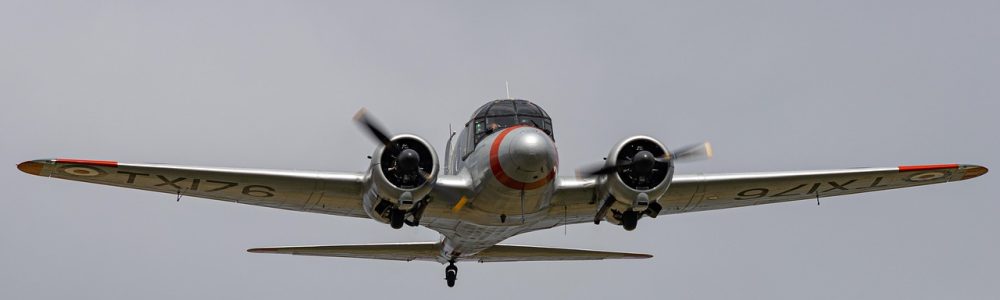
Why Flight Is an Engineering Masterpiece
Airplanes represent the perfect balance of physics, materials science, and human ingenuity. Every component—from wing shape to engine design—exists to control airflow with incredible precision.
Flight is not magic.
It is applied science at its finest.
Final Thoughts
The next time you see an airplane crossing the sky, remember that it is not floating—it is constantly pushing air downward, exchanging momentum with the atmosphere, and balancing powerful forces every second.
Understanding how airplanes stay in the sky reveals not only the science of flight but also the brilliance of engineering that makes modern aviation possible.