
Why Heat Loss Can Never Be Fully Prevented: The Physics Behind Energy Escape 🌡️
No matter how well a building is insulated, how advanced the material is, or how much money is spent on energy efficiency, one thing always remains true: heat loss can be reduced, but it can never be completely eliminated.
From homes and factories to spacecraft and power plants, engineers constantly fight against heat escaping into the environment. But why is this battle impossible to fully win? The answer lies in fundamental laws of physics and the way energy naturally behaves.
Let’s break it down in simple terms.
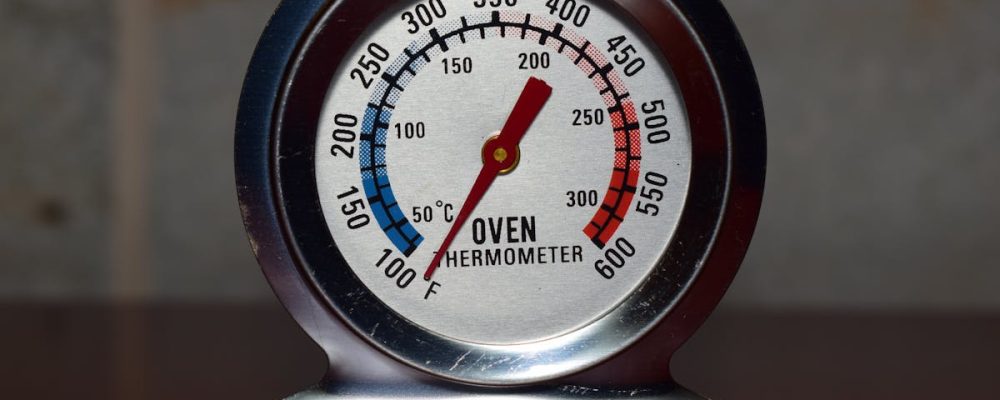
What Is Heat Loss?
Heat loss is the transfer of thermal energy from a warmer object to a cooler environment.
Whenever there is a temperature difference, heat will move. It does not ask permission. It does not wait. It simply flows until equilibrium is reached.
This happens everywhere:
Your house losing heat in winter
A hot coffee cooling down
Car engines releasing heat
Electronics warming up
It’s a natural process driven by energy balance.
The Main Rule: Heat Always Moves From Hot to Cold
This rule comes from the Second Law of Thermodynamics.
It states that energy naturally spreads out. Heat does not stay concentrated unless energy is constantly added to maintain it.
In simple words:
Nature hates temperature differences.
If something is warmer than its surroundings, heat will escape. Always.
This is the core reason why heat loss can never be fully stopped.
The Three Ways Heat Escapes
Heat does not leave in just one way. There are three main heat transfer mechanisms working at the same time.
1. Conduction (Heat Through Materials)
Conduction happens when heat flows directly through solid materials.
Example:
Your hand touches a cold metal surface and instantly feels cold. Heat from your hand flows into the metal.
In buildings, conduction happens through:
Walls
Windows
Roofs
Floors
Even the best insulation materials still allow some heat to pass through. No material has zero thermal conductivity.
That means perfect insulation does not exist.
2. Convection (Heat Through Air and Fluids)
Convection happens when heat moves through moving air or liquid.
Warm air rises. Cold air sinks. This creates natural circulation.
In homes, convection causes:
Warm air escaping through small gaps
Cold air entering from outside
Heat loss through ventilation
Even sealed buildings need fresh air, and every air exchange removes heat.
So ventilation equals heat loss — unavoidable but necessary.
3. Radiation (Heat Through Electromagnetic Waves)
Radiation does not need contact or air.
Everything above absolute zero emits thermal radiation.
That’s why:
You feel heat from the Sun
Fire warms you from a distance
Warm walls radiate energy
Even in vacuum, radiation continues. This is why spacecraft need thermal control systems.
Radiation makes complete heat isolation impossible.

Why Insulation Only Slows Heat Loss
Insulation does not “block” heat. It only slows down heat flow.
Materials like fiberglass, foam, and mineral wool trap air pockets. Air is a poor heat conductor, so this reduces conduction and convection.
But again:
Air still transfers heat
Radiation still occurs
Small leaks always exist
So insulation buys time, not perfection.
The Role of Temperature Difference
Heat loss rate depends heavily on temperature difference.
The bigger the difference between inside and outside temperature, the faster heat escapes.
That’s why:
Heating costs rise in winter
Cooling costs rise in summer
Extreme climates demand stronger insulation
You cannot cheat physics. Large temperature gaps create strong energy flow.
Why Windows Are Weak Points
Even triple-glazed windows lose more heat than walls.
Why?
Because:
Glass conducts heat better than insulated walls
Frame gaps allow air leakage
Radiation passes through transparent surfaces
Modern low-emissivity coatings reduce radiation loss, but they still cannot eliminate it.
Windows are necessary for light and ventilation — but they always reduce thermal efficiency.
Heat Bridges: The Silent Energy Leaks
Heat bridges (thermal bridges) are areas where heat escapes faster.
Common examples:
Concrete columns inside walls
Metal frames
Balcony connections
Structural beams
These spots bypass insulation and allow direct heat flow.
Even advanced buildings suffer from thermal bridging because structural strength and insulation often conflict.
Why Perfect Sealing Is Impossible
You might think: “What if we seal everything completely?”
Sounds good in theory. Terrible in practice.
Perfectly sealed buildings would cause:
Oxygen shortage
Moisture buildup
Mold growth
Indoor air pollution
Humans need ventilation. And ventilation always carries heat away.
So comfort and health require controlled heat loss.
Industrial Systems Face the Same Problem
Factories and power plants also fight heat loss.
Engines lose energy as waste heat. Electrical systems generate thermal losses. Data centers require massive cooling systems.
In many industries:
30–60% of input energy becomes heat loss
Cooling becomes a major operating cost
Thermal management limits system performance
This is why heat recovery systems are becoming popular — capturing waste heat instead of trying to stop it.

Space Engineering: Even Vacuum Can’t Stop Heat Loss
You might think space solves the problem.
No air. No convection. No conduction.
But radiation still exists.
Spacecraft constantly gain and lose heat through radiation. Without thermal control systems, satellites would overheat in sunlight and freeze in shadow.
This proves again: heat loss is universal.
Why Engineers Focus on Reduction, Not Elimination
Since complete prevention is impossible, engineers aim for:
Lower heat transfer rates
Better insulation materials
Smart building design
Energy-efficient systems
Passive house designs, for example, reduce heat loss so much that heating demand drops dramatically — but it still never reaches zero.
Optimization beats perfection.
Economic Limits Also Matter
Even if near-perfect insulation were possible, cost becomes the next barrier.
At some point:
Extra insulation saves very little energy
Installation cost becomes too high
Return on investment disappears
Engineers must balance physics with economics.
Future Technologies That Reduce Heat Loss
New technologies are improving thermal efficiency:
Aerogel insulation (extremely low conductivity)
Vacuum insulated panels
Smart glass with adaptive transparency
Phase-change materials
These solutions push limits further, but they still respect physical laws.
Heat loss gets smaller — never zero.
Everyday Example: Your Coffee Cup
The easiest way to understand this is your coffee.
Even with a thermal mug:
Heat escapes through the lid
Radiation continues
Small air leaks exist
You slow cooling — you don’t stop it.
Buildings, machines, and cities work the same way.

Conclusion: Heat Loss Is Not a Design Failure — It’s Physics 🌍
Heat loss is not caused by bad engineering. It is caused by how the universe works.
Energy naturally spreads. Temperature differences disappear over time. No material, no design, no technology can fully break this rule.
What engineers do is impressive: they slow the process, control it, recover wasted energy, and build smarter systems that waste less.
So the next time your house feels cold or your phone gets warm, remember — you’re not seeing poor design. You’re seeing physics in action.