
Why Phone Batteries Degrade Over Time (And Why It’s Inevitable)
Almost every smartphone owner experiences the same frustration. A phone that once lasted all day now struggles to survive a few hours. Charging becomes more frequent, performance drops, and battery health percentages slowly decline.
This isn’t a coincidence, and it’s not just poor manufacturing. Phone batteries are designed to degrade over time. The real question is not if they degrade—but why.
To understand this, we need to look inside the battery itself.

What Kind of Batteries Do Phones Use?
Modern smartphones use lithium-ion or lithium-polymer batteries.
These batteries are popular because they:
Store a lot of energy in a small space
Are lightweight
Recharge quickly
Don’t suffer from classic “memory effect”
But they also come with limitations that make degradation unavoidable.
How Lithium-Ion Batteries Actually Work
Inside a phone battery, there are three key parts:
Anode (usually graphite)
Cathode (lithium-based compound)
Electrolyte (allows lithium ions to move)
When your phone is charging:
Lithium ions move from the cathode to the anode
When you use your phone:
Lithium ions move back to the cathode
This movement happens every single time you charge and discharge the battery.
Why Batteries Wear Out With Use
Each charge cycle causes tiny changes inside the battery.
Over time:
Materials slowly degrade
Internal resistance increases
Fewer lithium ions move freely
This means:
Less energy can be stored
Voltage drops faster
Battery life shortens
This process is chemical, not software-based.
What Is a Charge Cycle?
A charge cycle doesn’t mean charging from 0% to 100% once.
One cycle equals:
Using 100% of the battery’s capacity
Example:
Using 50% today and 50% tomorrow equals one cycle
Most phone batteries are designed for:
Around 300–500 full cycles before noticeable degradation
After that, capacity begins to drop more rapidly.

Why Heat Is the Battery’s Worst Enemy
Heat accelerates battery degradation more than almost anything else.
High temperatures:
Speed up chemical reactions
Damage internal structures
Increase internal pressure
Common heat sources include:
Fast charging
Gaming while charging
Hot environments
Leaving phones in cars
Even small increases in temperature can significantly shorten battery lifespan.
Why Fast Charging Causes More Wear
Fast charging pushes:
Higher current
More heat
Greater stress on materials
Modern phones manage this carefully, but:
Fast charging still causes more wear than slow charging
This doesn’t mean fast charging is bad—it just trades longevity for convenience.

Why Batteries Age Even If You Don’t Use Them
Battery degradation happens even when a phone is unused.
This is called calendar aging.
Reasons include:
Chemical reactions inside the battery never fully stop
Electrolyte slowly breaks down
Protective layers thicken over time
This is why:
Old unused phones still have weak batteries
Time alone causes degradation.
Why Charging to 100% Isn’t Ideal
Lithium-ion batteries don’t like being completely full.
At high charge levels:
Internal voltage is higher
Chemical stress increases
Degradation accelerates
This is why many manufacturers:
Limit charging speed near 100%
Use software to stop full charging overnight
Keeping a battery between 20% and 80% reduces stress.

Why Deep Discharges Are Also Harmful
Just like full charge is stressful, deep discharge is too.
Draining a battery close to 0%:
Increases internal resistance
Damages electrode structure
Reduces long-term capacity
Occasional full discharges are okay—but frequent ones shorten lifespan.
Battery Health and Phone Performance
As batteries degrade:
Voltage becomes less stable
Phones may reduce performance
Sudden shutdowns can occur
This is not just software behavior—it’s a safety measure.
A weak battery:
Cannot deliver peak power
Risks instability
Reducing performance helps maintain reliability.
Why Battery Percentages Become Unreliable
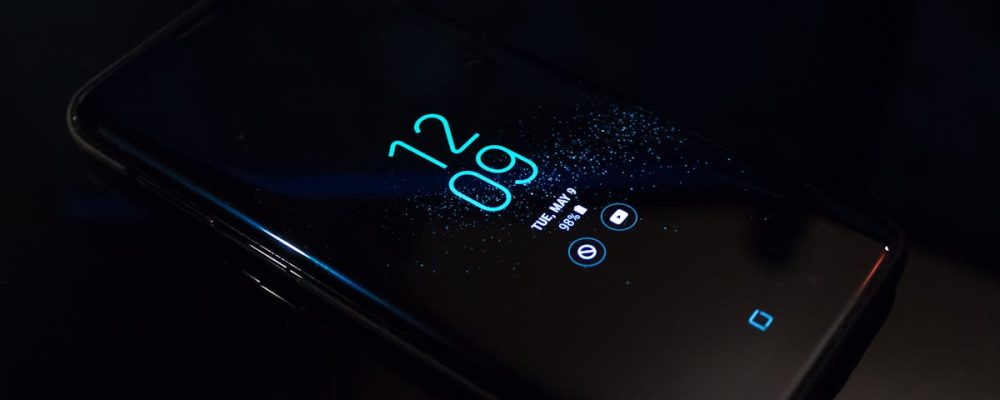
Battery percentage is an estimate.
As batteries age:
Voltage curves change
Software calibration becomes harder
This leads to:
Sudden drops from 20% to 5%
Unexpected shutdowns
Recalibration helps slightly but doesn’t restore capacity.
Does Wireless Charging Damage Batteries?
Wireless charging:
Generates more heat
Is less efficient
More heat means:
Slightly faster degradation
However:
Occasional wireless charging is fine
Continuous use may shorten lifespan slightly
Again, heat is the main factor.

Can You Completely Stop Battery Degradation?
No.
Battery degradation is:
A chemical reality
Governed by physics
Inevitable over time
You can slow it down, but you can’t eliminate it.
Best Practices to Slow Battery Aging
To extend battery life:
Avoid extreme heat
Don’t keep phone at 100% all day
Avoid frequent deep discharges
Use fast charging when needed, not always
Small habits add up over time.
Why Phone Batteries Are Still Improving
Despite limitations, battery technology has improved.
Modern batteries:
Last longer per cycle
Handle stress better
Are safer than older designs
But the fundamental chemistry remains the same.
Future Battery Technologies
Research is ongoing in areas like:
Solid-state batteries
Silicon anodes
New electrolytes
These technologies promise:
Higher capacity
Slower degradation
Better safety
But widespread adoption takes time.
Common Myths About Phone Batteries
“You must fully discharge occasionally.”
Not necessary for lithium-ion batteries.
“Charging overnight destroys batteries.”
Modern phones manage charging safely.
“Battery health drops because of updates.”
Updates reveal degradation—they don’t cause it.

Conclusion: It’s Not a Defect, It’s Chemistry
Phone batteries don’t degrade because they’re poorly designed. They degrade because they’re doing their job.
Every charge, every discharge, and every day that passes changes the battery slightly. Over time, those changes add up.
Understanding how batteries age doesn’t stop the process—but it helps explain why it happens and how to slow it down.
Battery degradation isn’t a failure. It’s the cost of portable power.